

All my life, I lived in rural places. I love the slowness, the bighearted people, the feeling of dirt against my bare feet. My family has a garden, a small one, which puts vegetables on the table in the summers and means we make fewer trips to the grocery store. Growing up, I took for granted this simple way of supporting ourselves through the land. I now live in a city, where the garden unfurls roots of longing in my mind as I walk down aisles of packaged lettuce and plastic meat without skin or eyes, face or feet.
My garden roots make me wonder about the processes that enable my way of life here in the city but are performed outside my vicinity of existence. What have I overlooked in the comfort of my familiar neighborhood? How much of my day is spent oblivious to the blossoms and rot, the lives and deaths, the processes of life, that make room for mine?
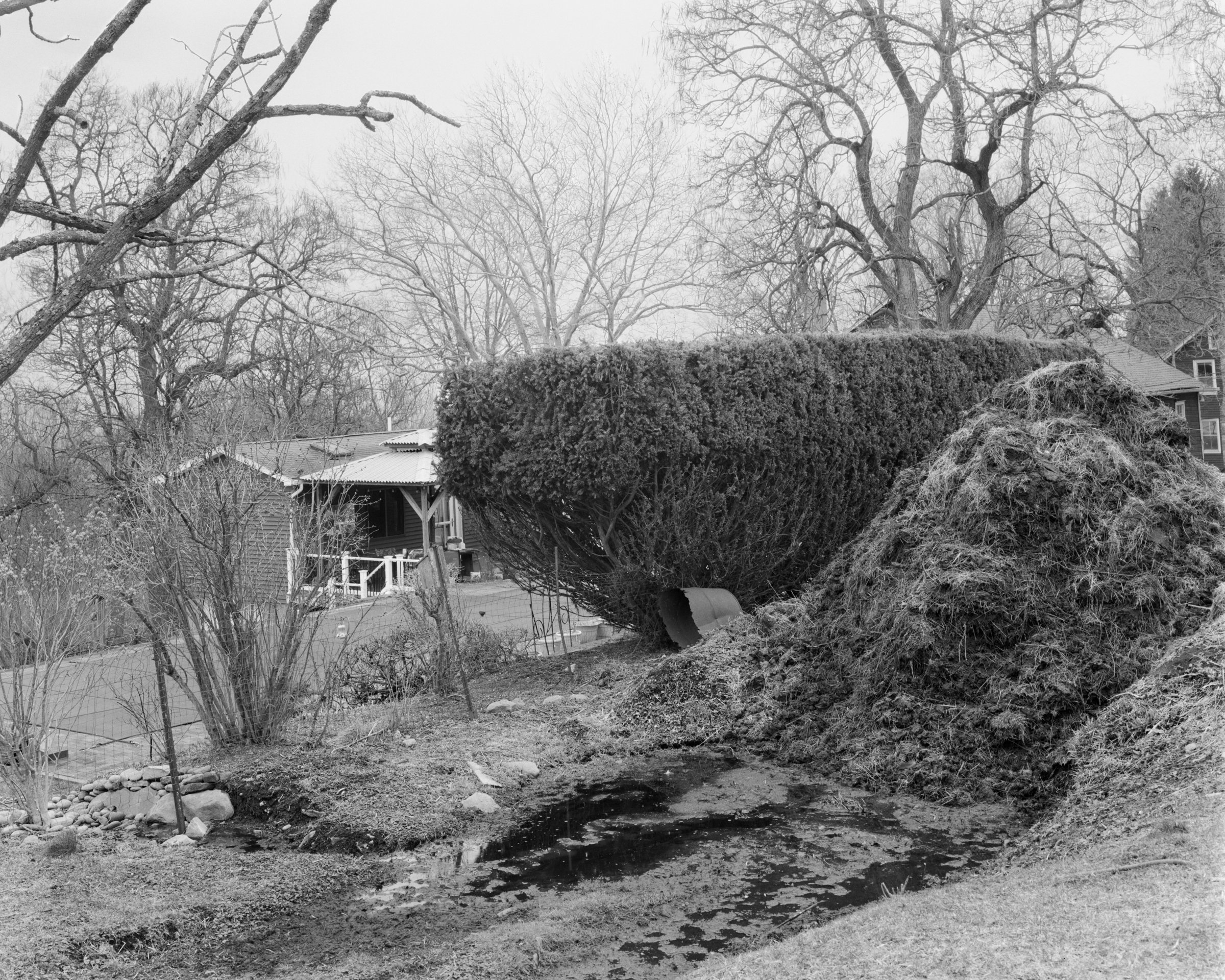
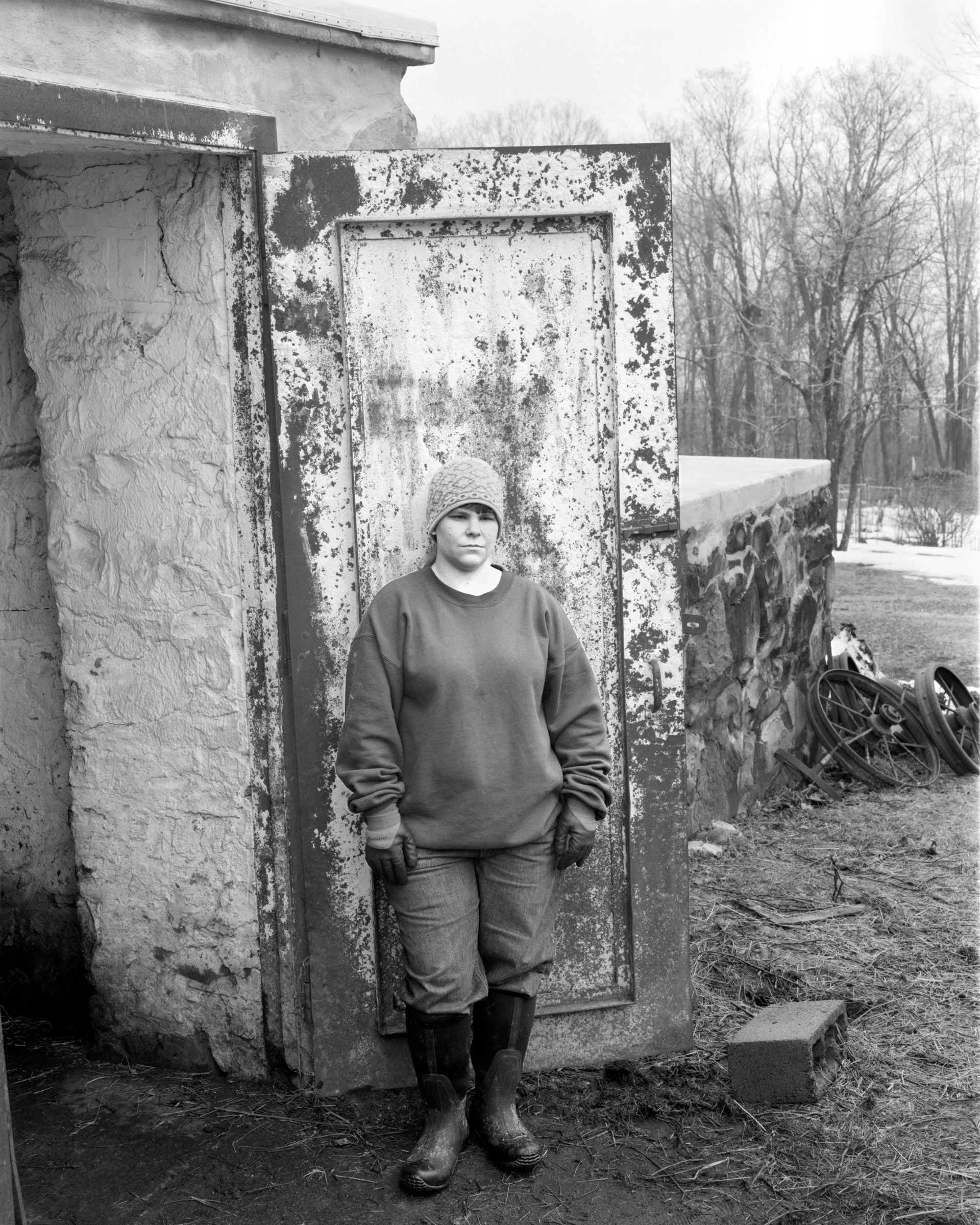
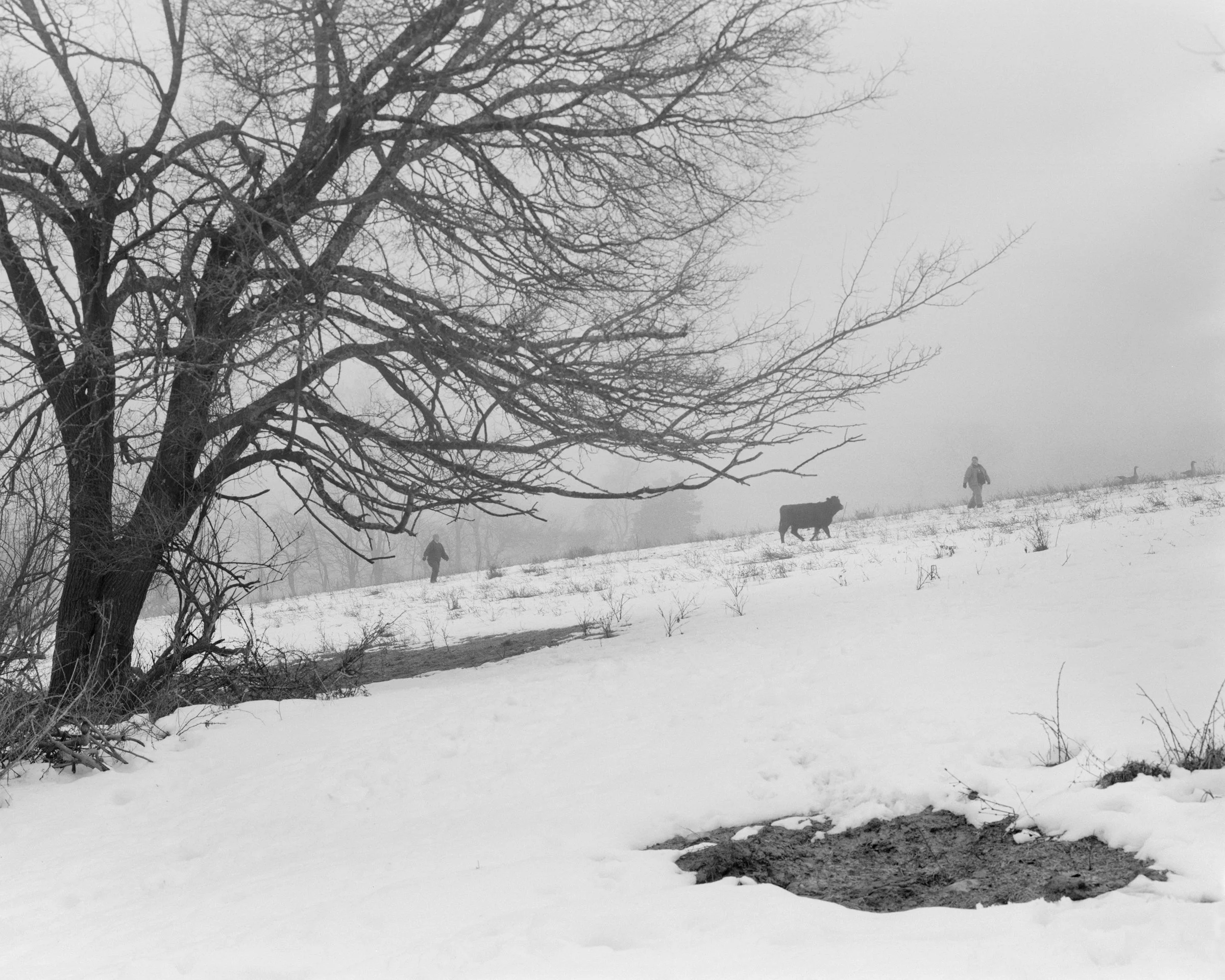
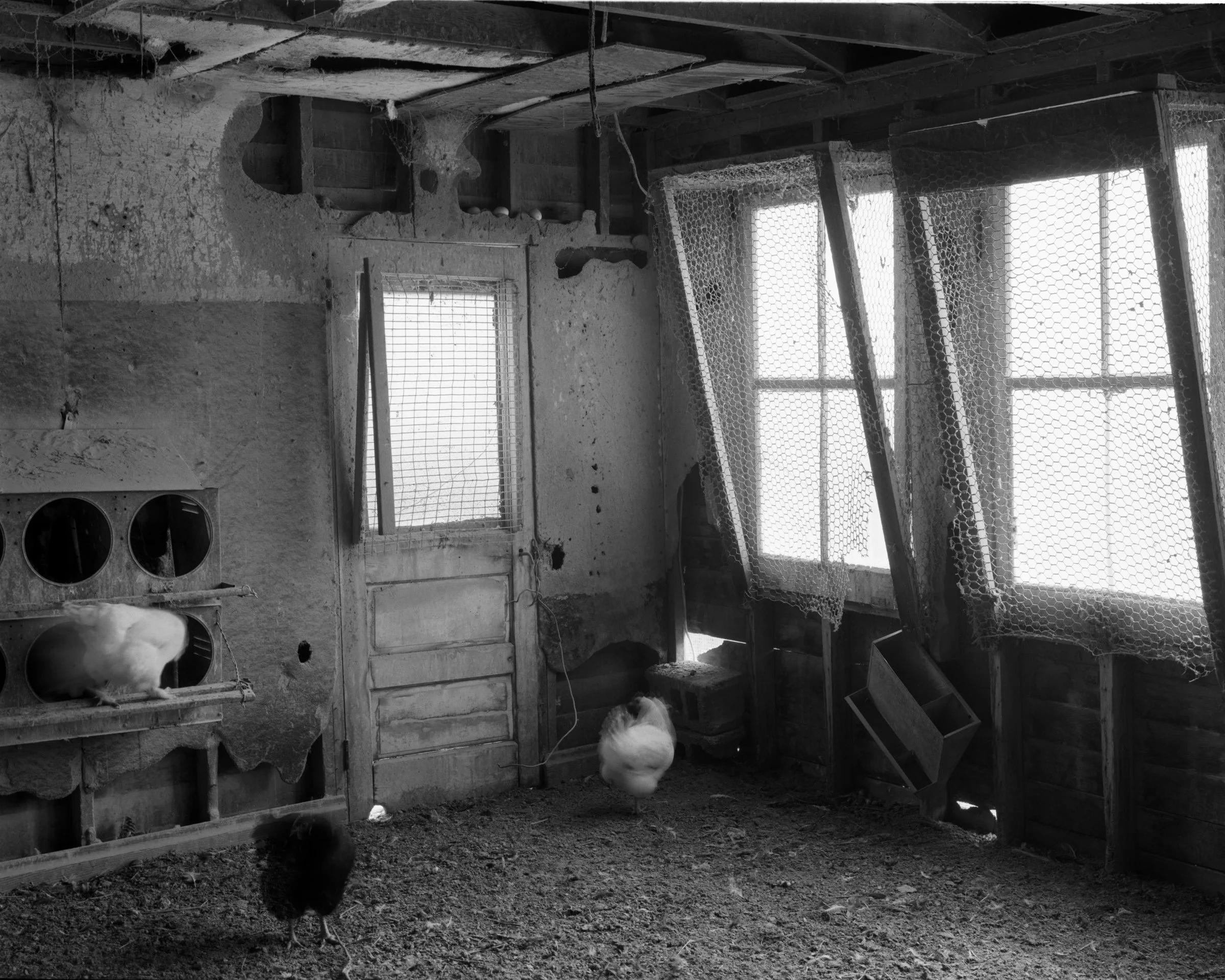
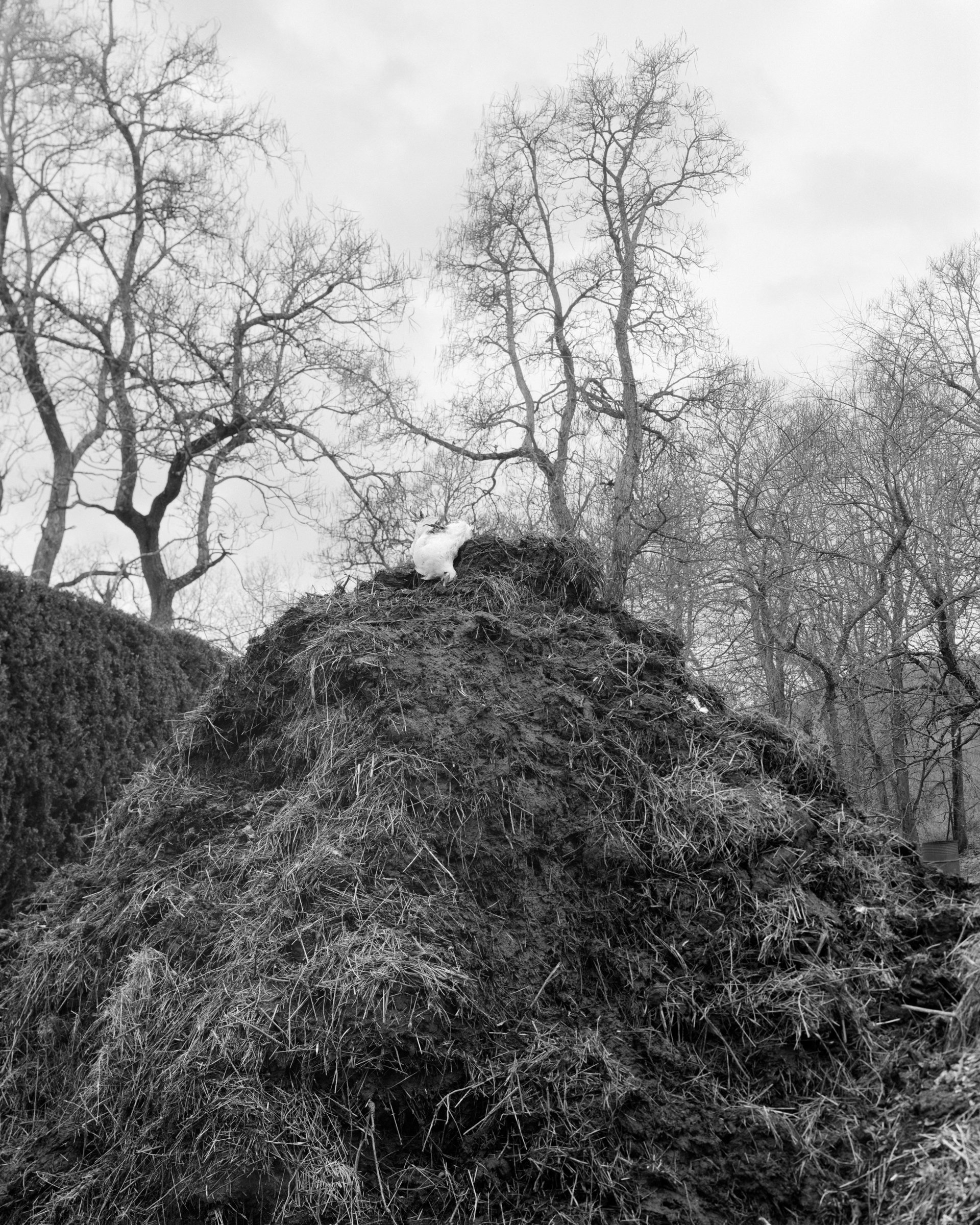
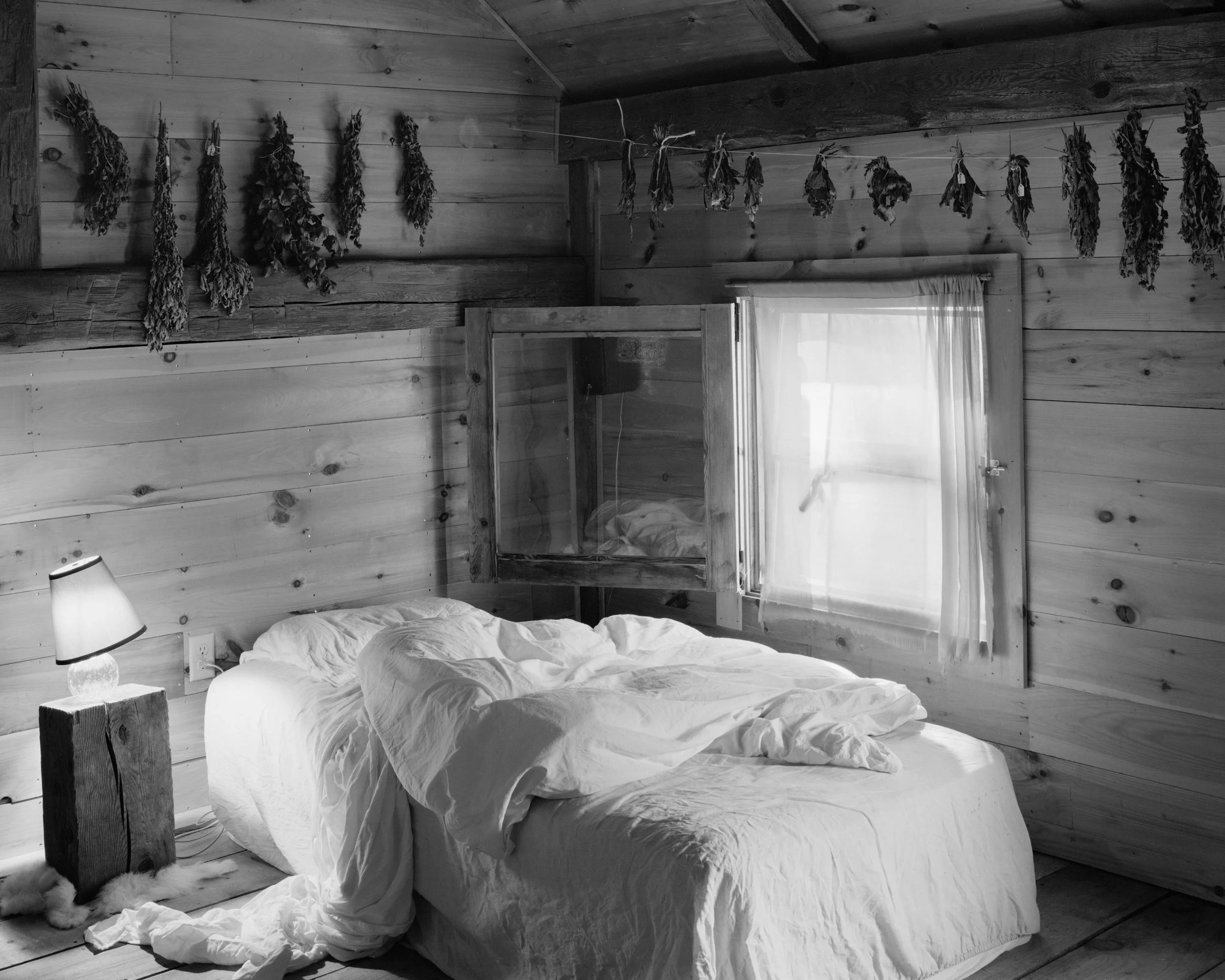
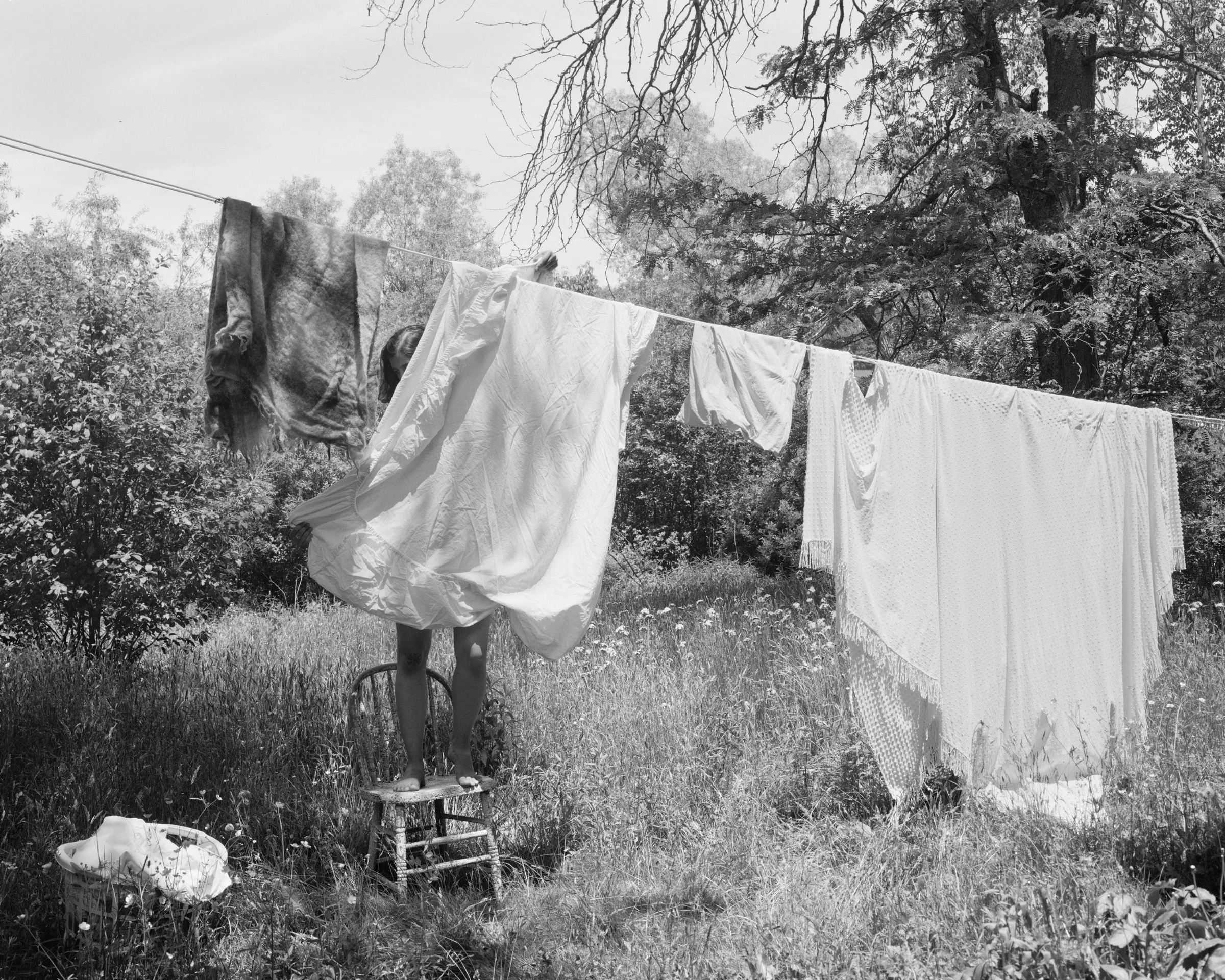
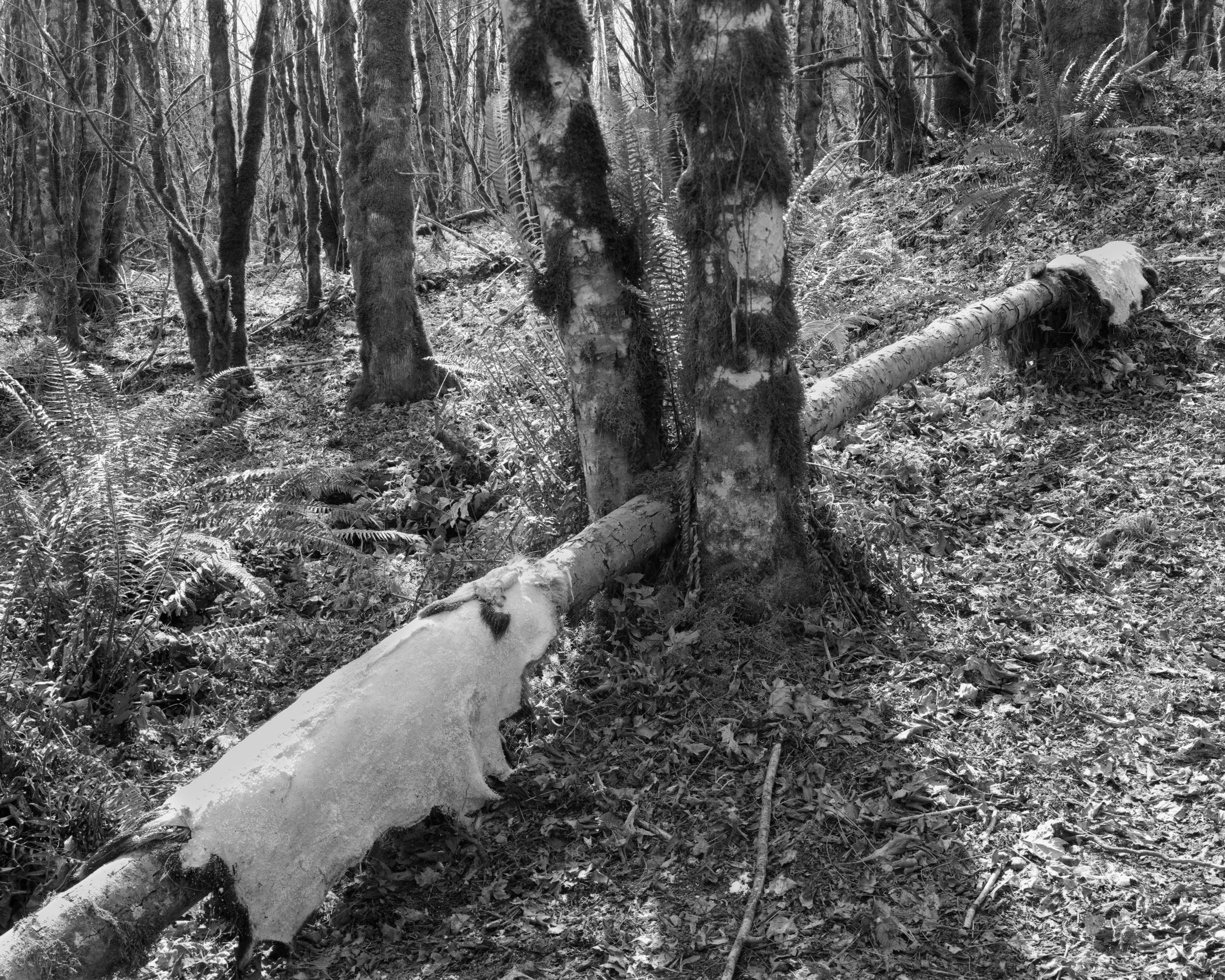
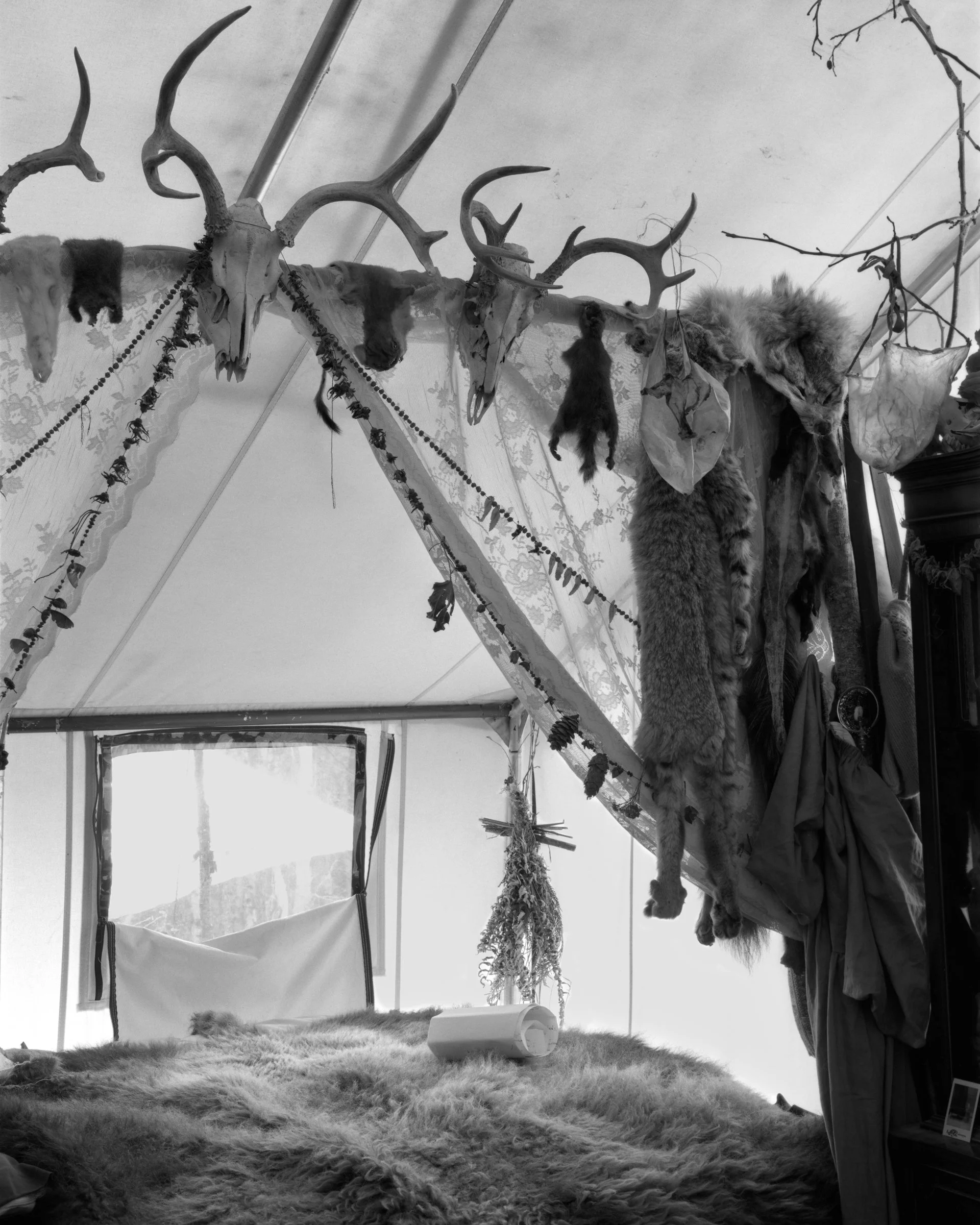
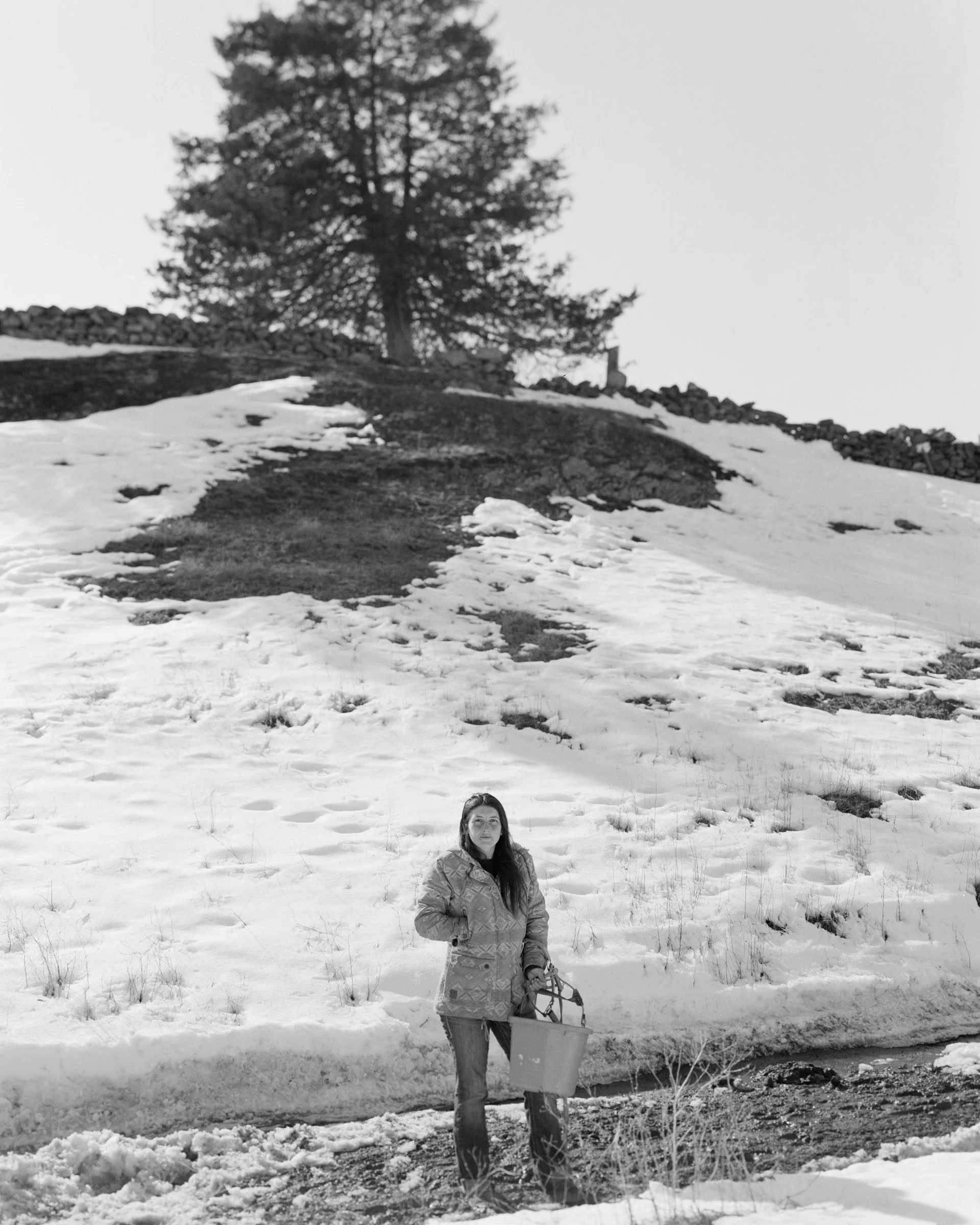
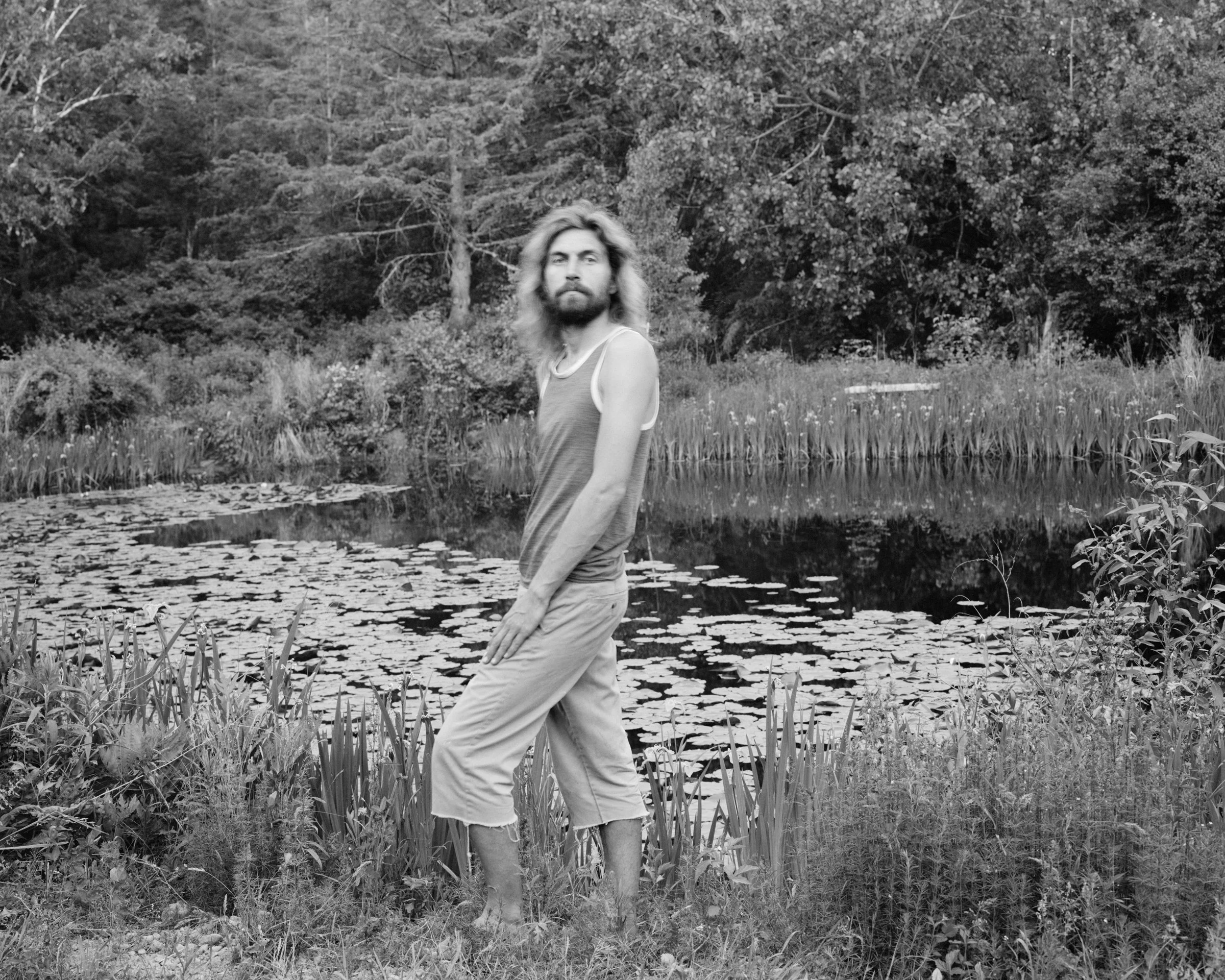
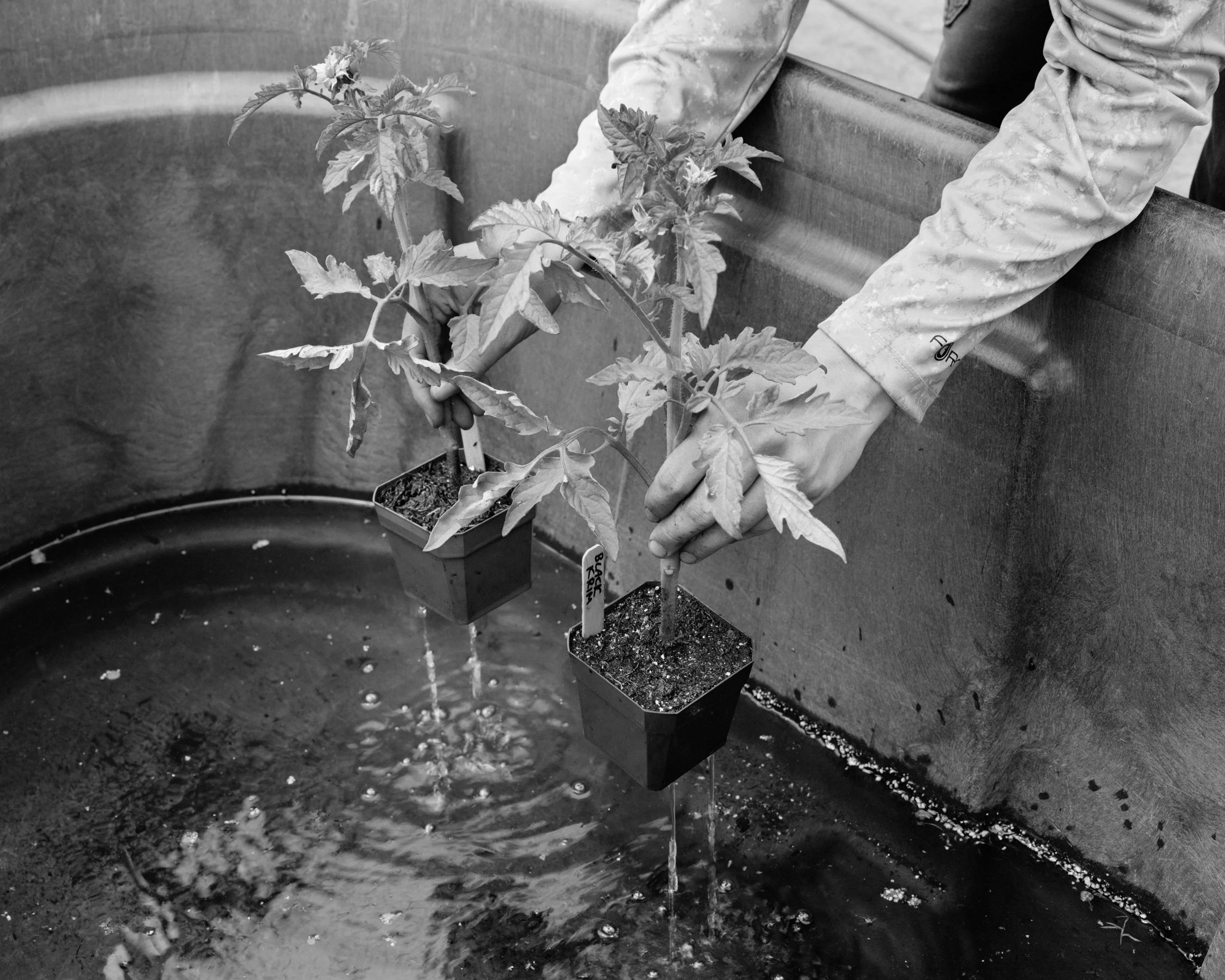
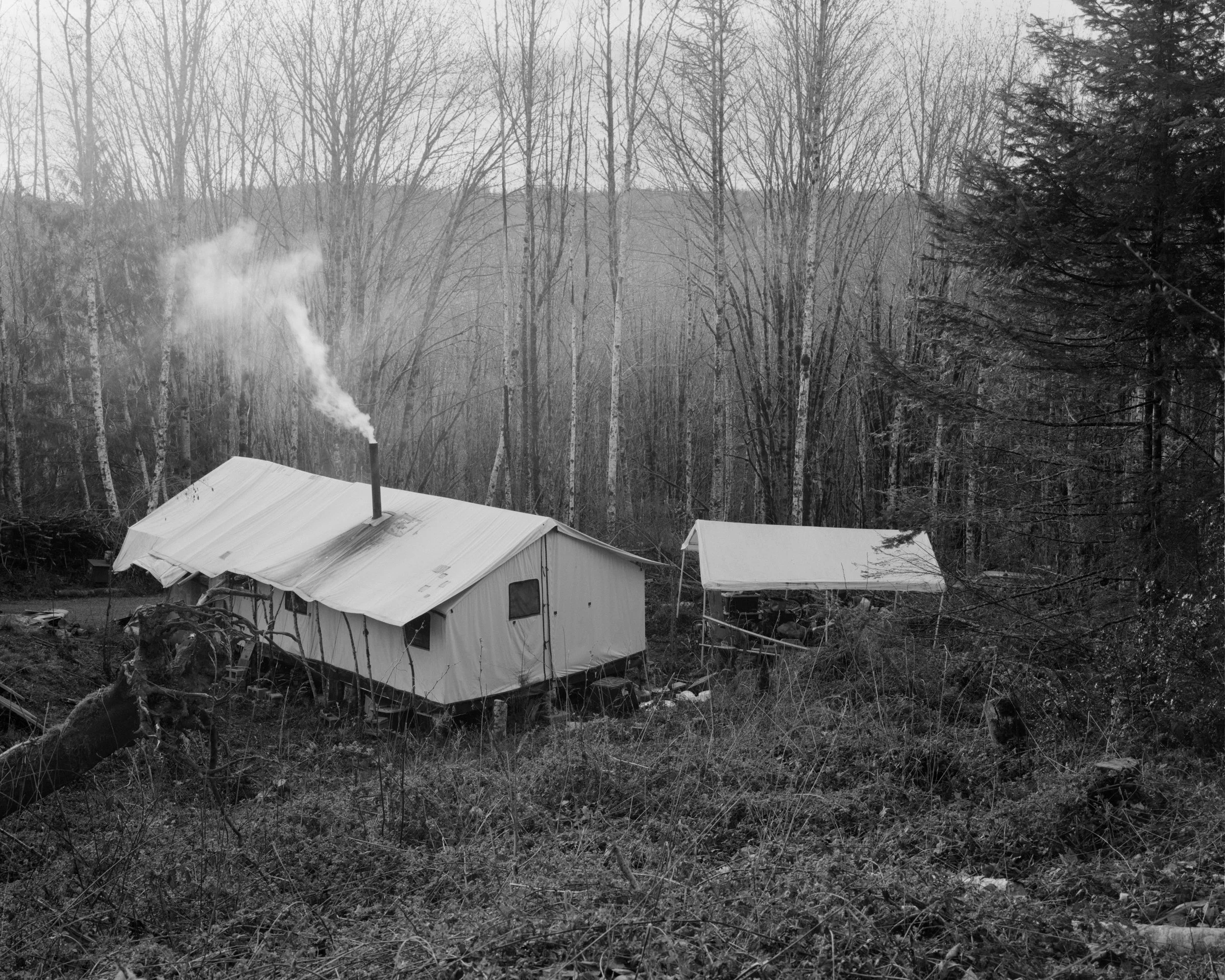
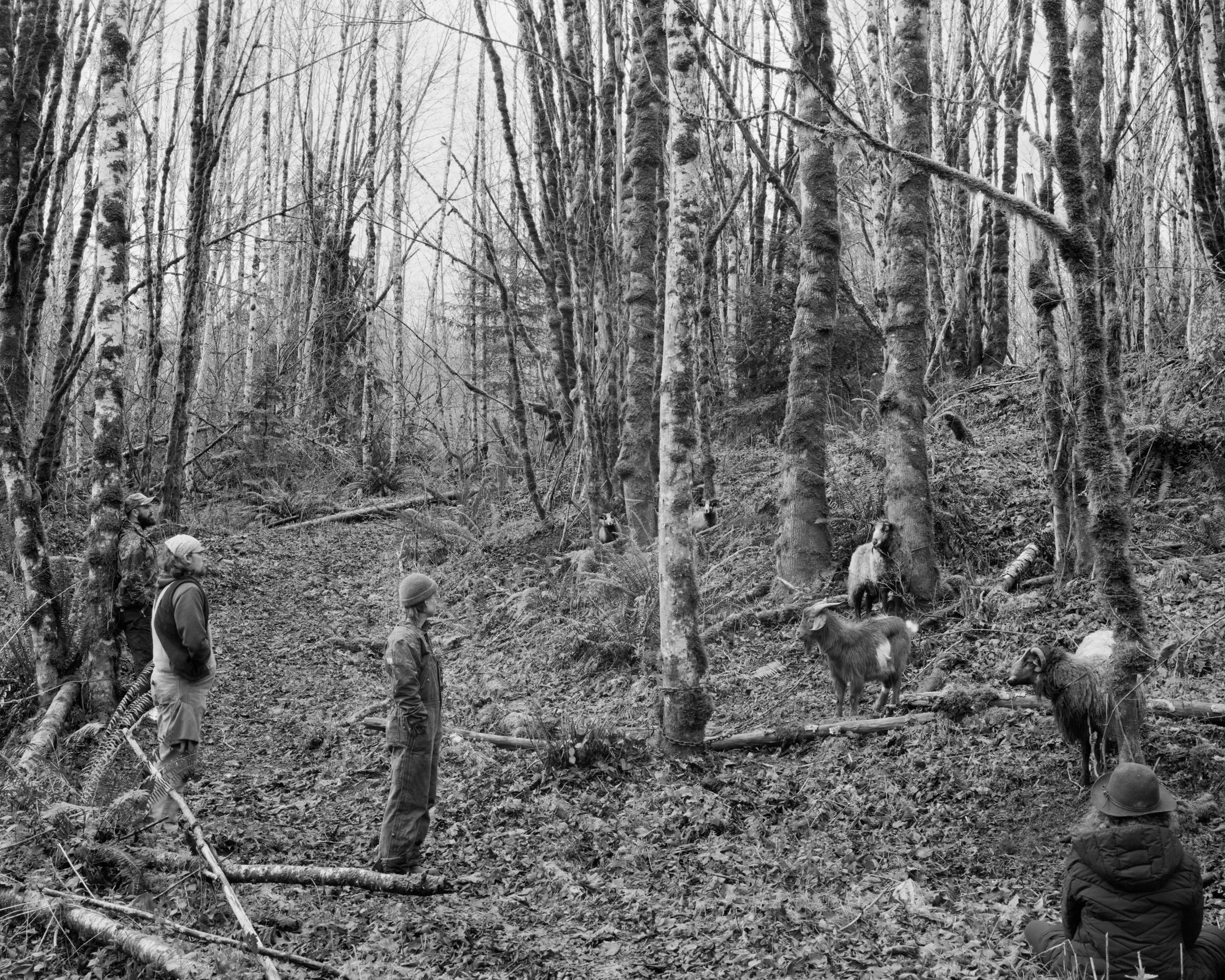
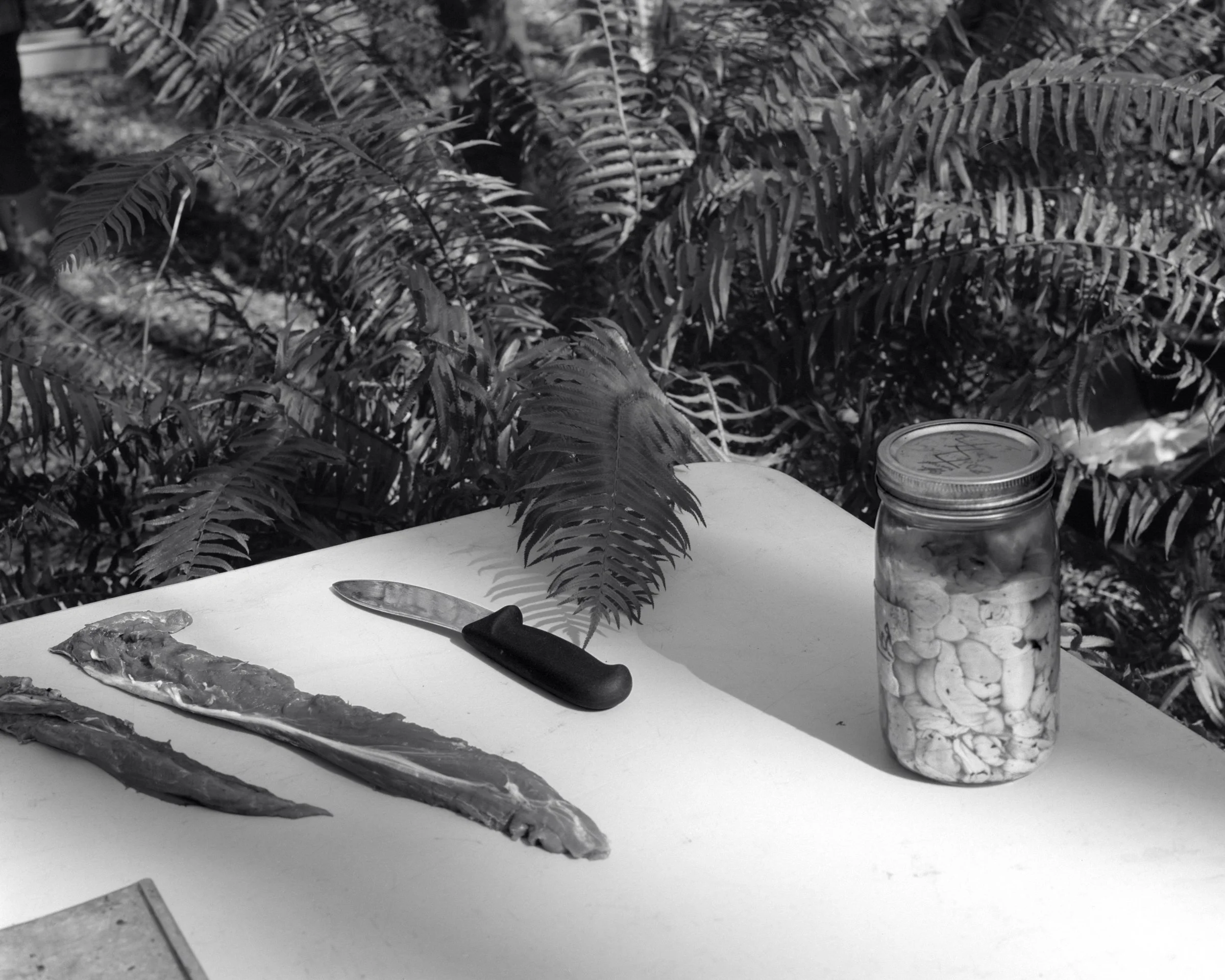
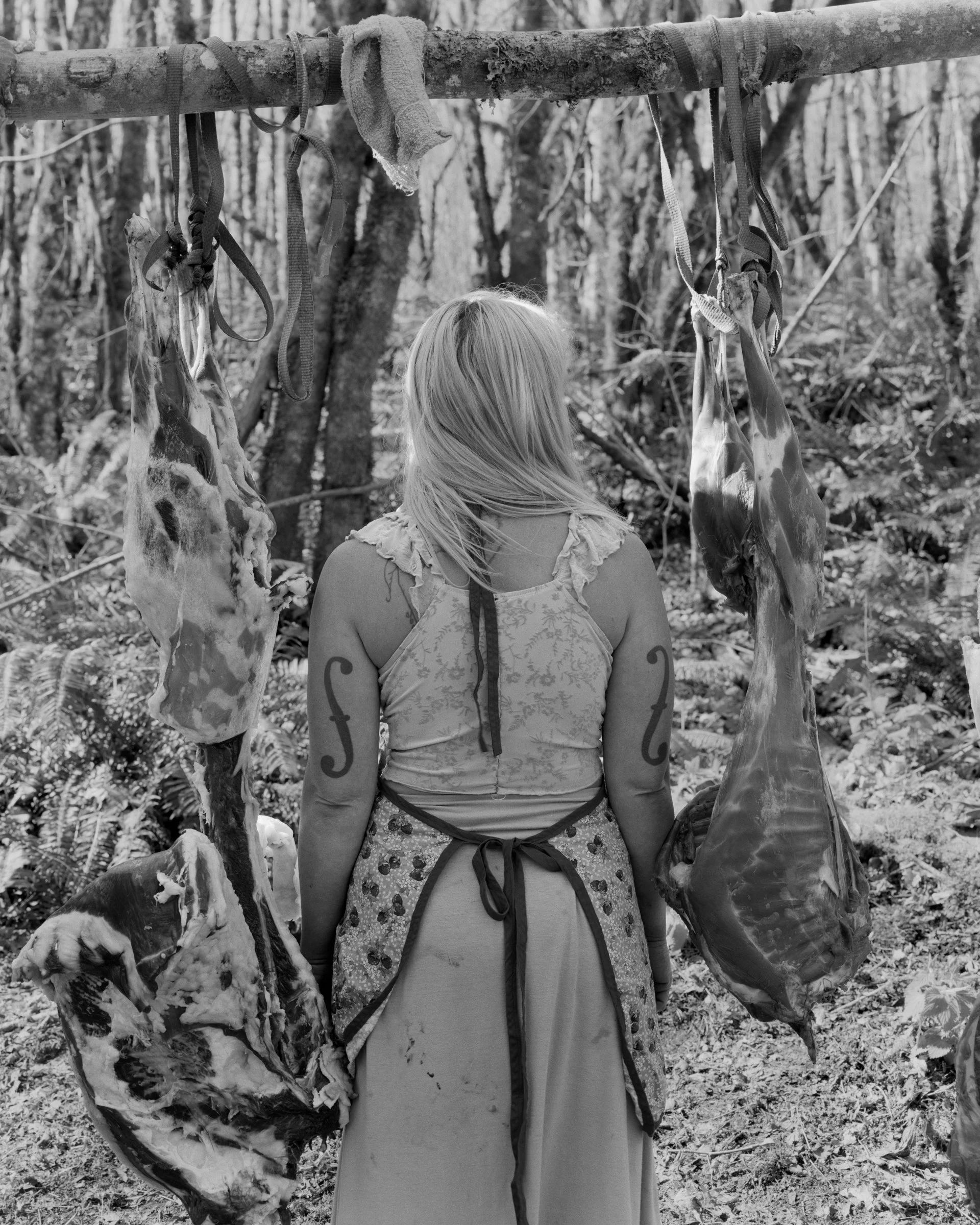
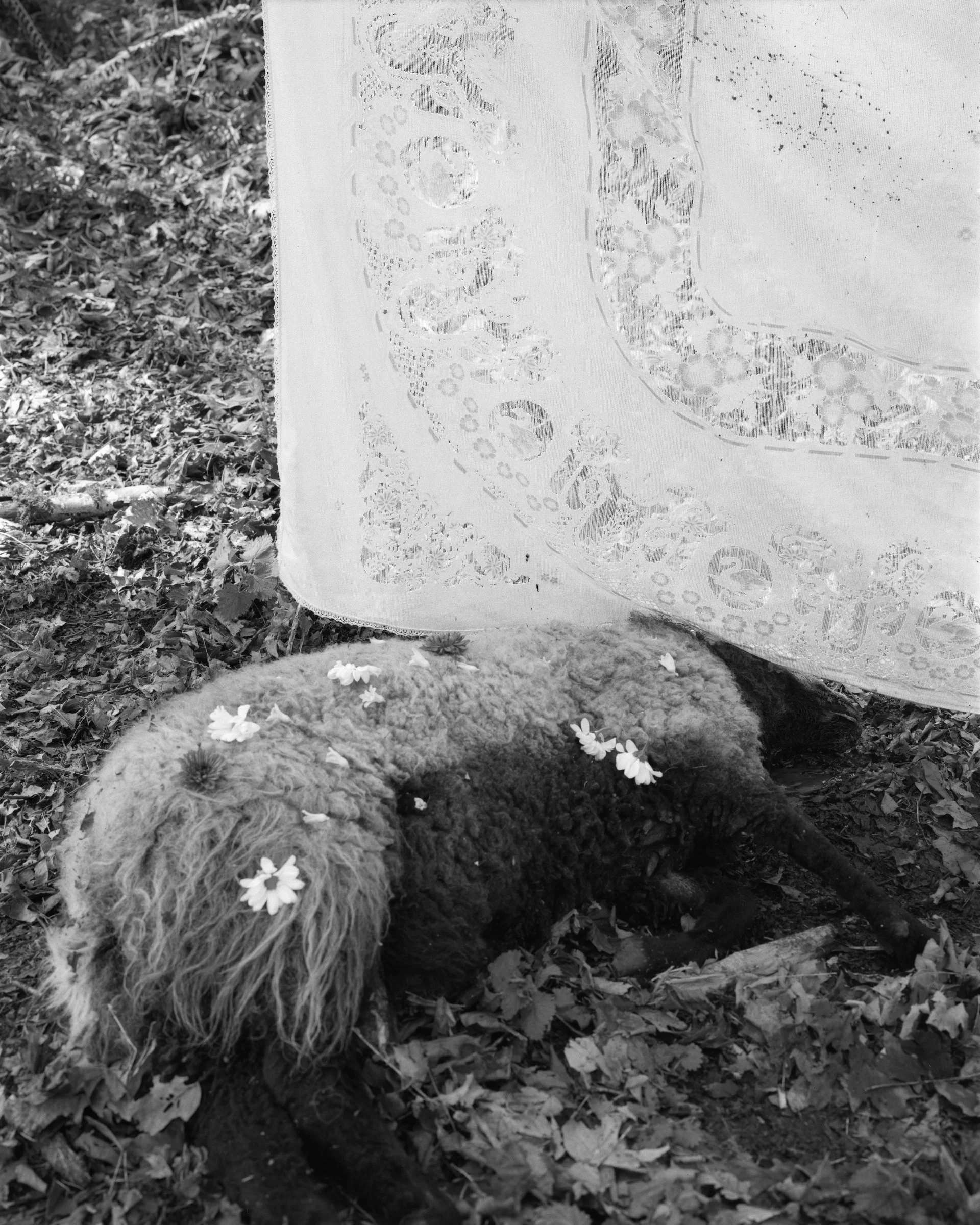
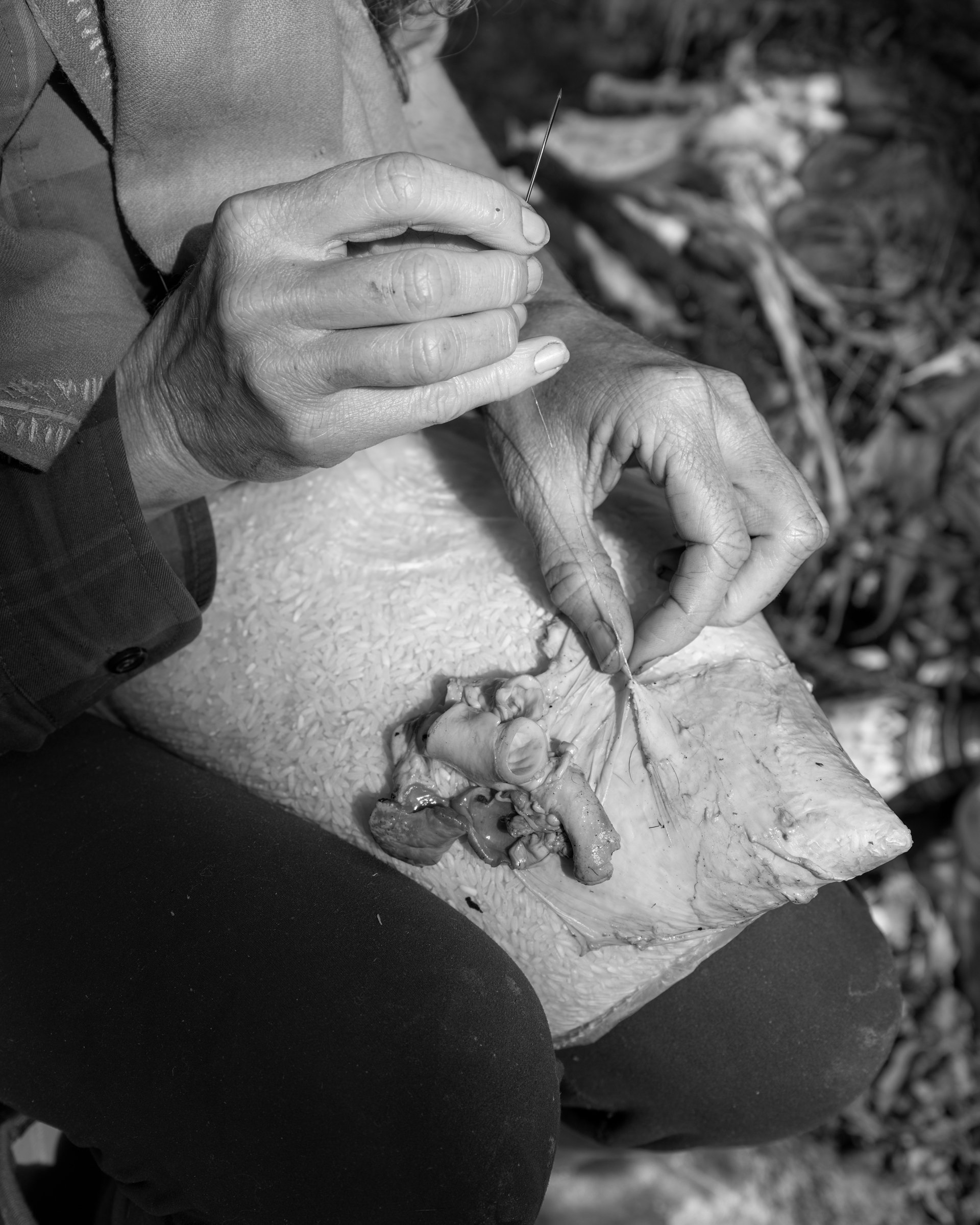
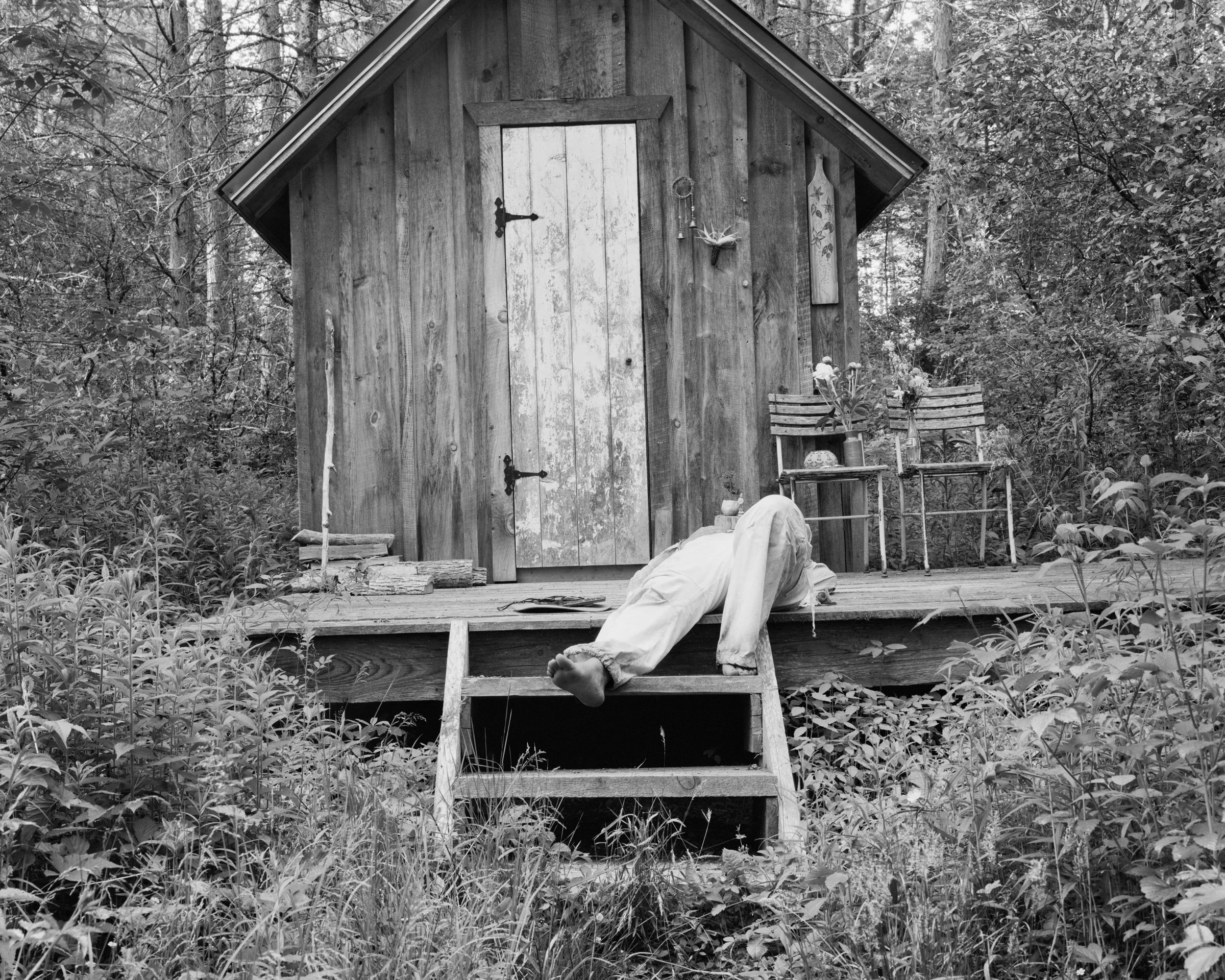
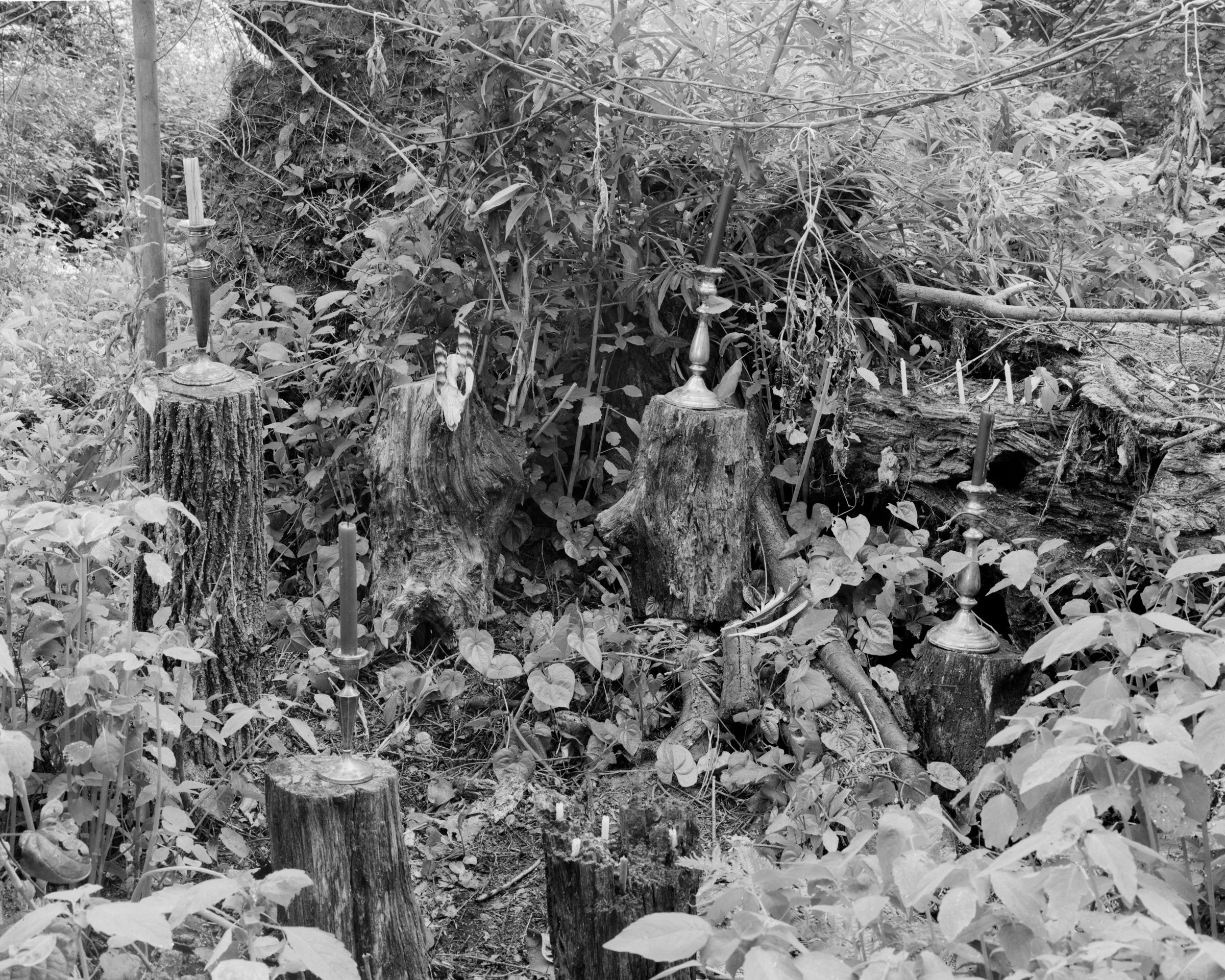
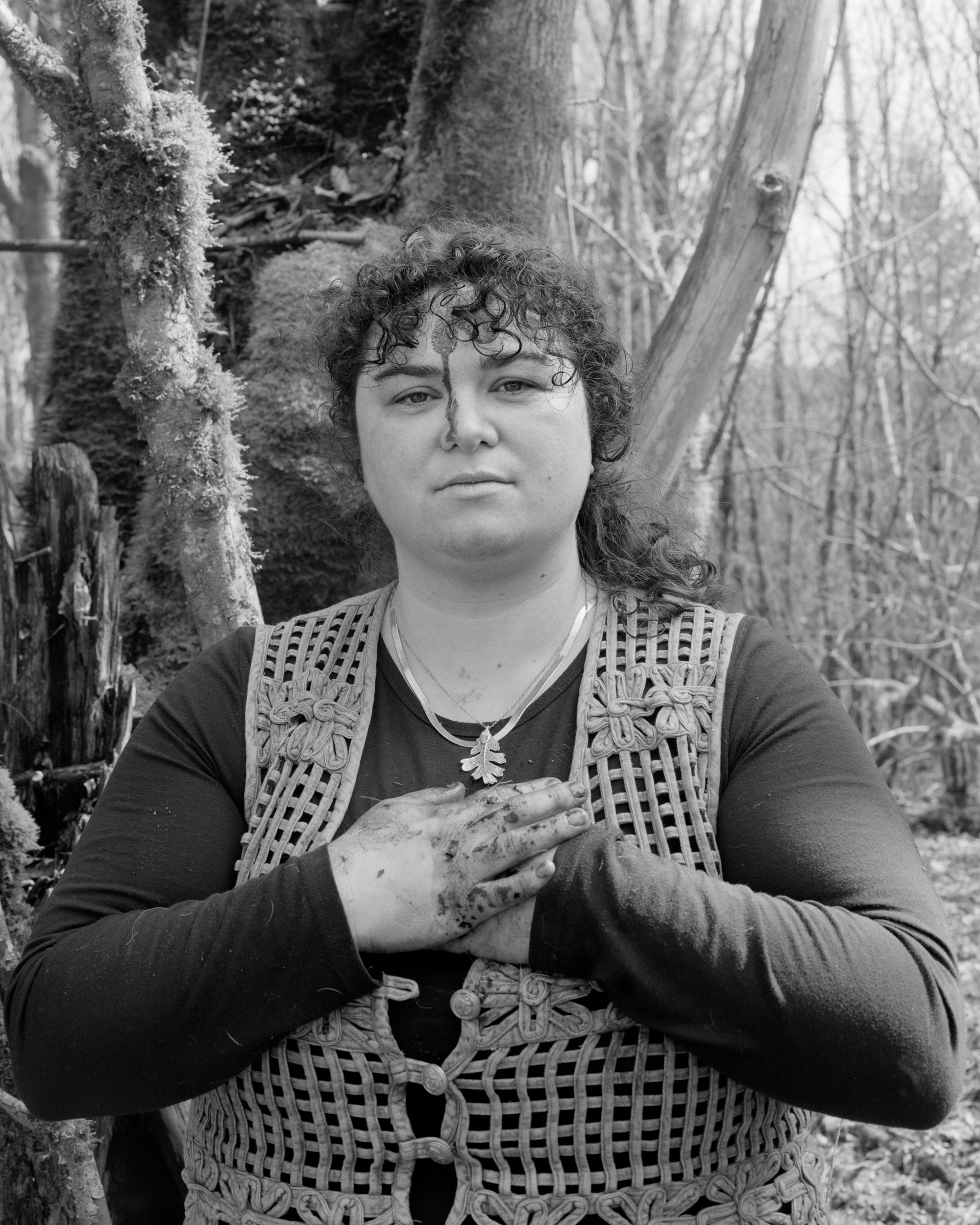
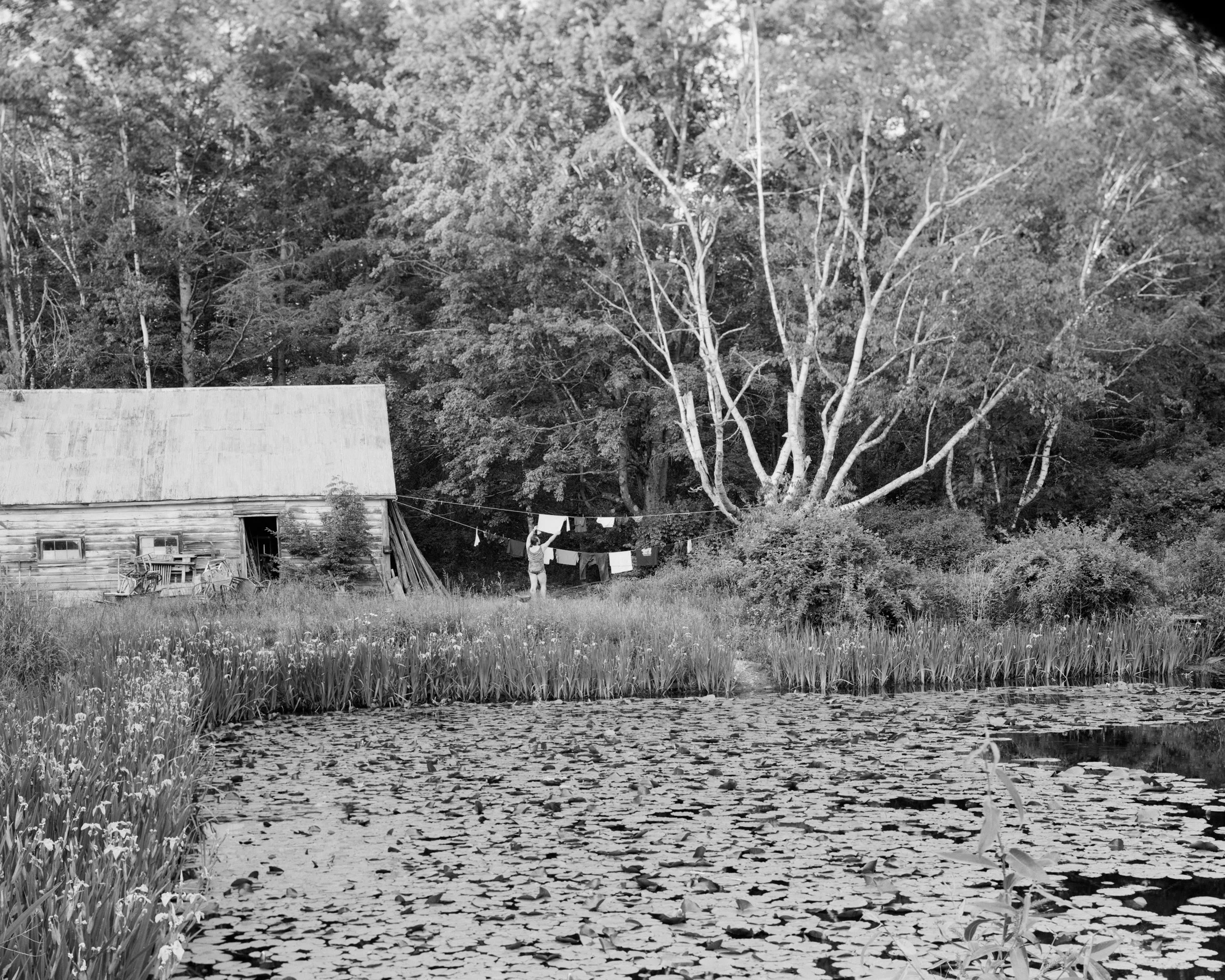
For the past six months, I’ve traveled to learn from people whose lives are centered around the land: young farmers beginning new vegetable practices, grandchildren caring for generational beef farms, women teaching how to slaughter animals with grace, and collective systems thriving on their acreage. By photographing them, I am searching for ways to combat the dissolution and depression I face, walking down the grocery store aisle. To organize a human life around plants and animals is not the most convenient way to exist, yet the people I meet make themselves at home in its struggle. On their fecund soil, creatures in all stages of growth are cared for with reverence, tears, patience, and love. I’m drawn to those who embrace these emotions. Being with them makes me feel a little more worthy of the lives and deaths to which I am indebted.